

Trust is essential for people and businesses alike. It’s what makes us willing to click, pay, share personal data, and believe a message is legitimate. But the sheer volume of scams is testing that trust, making people more cautious and making it harder for legitimate brands to reach and reassure customers.
The ASEAN Consumer Scam study reveals that 52% of Filipinos have been scammed at least once in their lifetime, higher than our ASEAN neighbors. A report by Global Anti-Scam Alliance (GASA) states that Filipinos encounter scam attempts almost every two days and are targeted on average 239 times a year. It estimates that P11,896.3 are lost to scams per person.
At this rate, scams should be easy to spot, right? But scams mutate, change, and can easily evade security systems and escape our judgment. Championing safe digital practices, Rakuten Viber asserts that scams are getting more cunning and convincing. The super app attributes this to the “professionalization of fraud” as attackers are also now using artificial intelligence (AI) and social engineering to craft highly specialized attacks instead of relying on generic ones.
Being familiar with the red flags of scam schemes minimizes the chances of getting victimized. The leading communications app warns Filipinos of how scams have evolved to make their attempts more persuasive.
Hyper-personalized phishing creates relevant messages to imitate trusted contacts. Through GenAI, scammers can now scrape a user’s public presence and craft hyper-personalized messages complete with nuances and professional contexts to mimic official communication from banks, telecommunication companies, and government agencies and bypass traditional keyword filters.
SMS blasters make scams almost identical with official messages. Fraudsters are driving around SMS blasters or international mobile subscriber identity (IMSI) catchers to hijack legitimate cell towers and intercept actual text threads with your banks and telecom providers, and government agencies. This makes their scams nearly indistinguishable from a real message.
Bridge attacks and multichannel phishing use urgent situations to move victims to less secure platforms. Scammers usually reach out their victims through safe platforms like Viber or email, with the goal of transferring the conversation to a less secure platform or to a voice call. The scams would create urgent fake alerts about deliveries or banking issues.
AI-generated imposter scams exploit emotional connections. Scammers who steal someone’s identity to get in touch with friends or relatives aren’t new. As more people now know better than trusting a loved one who suddenly chats asking for money, fraudsters now use AI to create deepfake voice and even video calls that can replicate not only voice but also speech patterns, accents, and emotional cues to make their victims believe that they are “real”.
Fake shopping sites buy ads to appear legitimate. Online selling scams have gotten an upgrade. People who love online shopping should think twice before checking out an item. Scammers now set up fake e-commerce stores (usually the links are similar to popular platforms) and buy social media and search ads to make their website more credible. Actual cases include fake ticket platforms and consumer technology retailers.
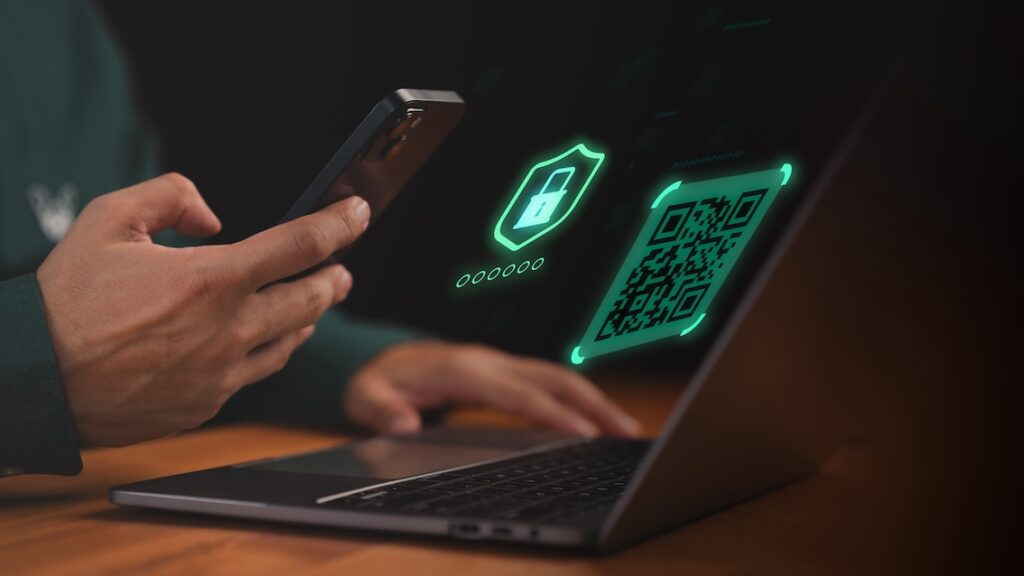
QR phishing takes advantage of the cashless economy. As more Filipinos are going cashless and with text-based spam filters improving, fraudsters are catching up. They are now leveraging QR codes. Known as quishing or QR code phishing, this type of cyberattack embeds malicious links in QR codes, making the threat harder to detect. When a victim scans the code, they will be redirected to fraudulent log-in pages for e-wallets or banks to steal credentials and financial details or unknowingly download and install malware.
No matter how scammers try to appear legitimate, Rakuten Viber utilizes various technologies to detect their fraudulent activities. With a hybrid moderation model, the super app combines tech and humans to use the speed of machine learning with careful judgement of a team of experts to block users suspected of spamming and fraud.
Rakuten Viber also ensures users are empowered with tools that allow them to block or report users, groups or communities. It automatically filters messages from unknown contacts, placing them in a separate dedicated “Message Requests” folder. The superapp also has a Caller ID feature that can help users flag suspicious calls. As an added layer of security, Viber users can also control who can add them to groups. This is already on top of Rakuten Viber’s end-to-end encryption technology for all 1-on-1 and group chats. Because Rakuten Viber cannot see the messages, they won’t and will never sell its users’ conversations to third parties.
“Scams are a pervasive, damaging part of our digital life. They are a serious issue that could cost a lifetime’s worth of savings and bring mental distress. Even the most careful people can fall for scams; these cybercriminals don’t care who they steal from,” says Liad Shnell, Chief Technology Officer (CTO) at Rakuten Viber.
“Fraudsters have become more devious and ruthless. They are constantly changing their tactics through AI and new technologies and emotional and psychological manipulation that make fraud harder to spot. But security experts everywhere, including us from Rakuten Viber, are on their tail. We are constantly studying their schemes and improving our proactive systems to help users protect their personal and financial information. Through these efforts, we have seen real impact in reducing users’ exposure to fraudulent activity.”
Rakuten Viber also shares a few safe digital practices that can help anyone outsmart scammers:
- Pause before acting like clicking a link or scanning a QR code.
- Verify the source. Inspect the email address or the number used to contact you or the site link of an online store.
- Never open links or attachments from unsolicited messages or emails. Blackmail messages are frequently sent as PDFs to bypass phishing filters.
- Assign a family safe word to verify identity.
- Guard your personal information. Take charge of your digital footprint.
“It’s also good practice to keep yourself aware and updated on how scammers are evolving, so you can be one step ahead of them and be prepared if you encounter them. In the end, their main goal is to get your money. If any transaction or conversation involves sharing personal and financial information, it’s better to be skeptical than sorry. Don’t give your details right away,” reminds Shnell.
Trust lets people and businesses go about their day — communicating, shopping, and banking — with confidence that interactions are safe and secure. Reducing scams will help restore that trust, which ultimately lays the groundwork for empowering societies and achieving lasting value.